
Learn what to expect before Scrambler Therapy, including first visit, clothing, medications, activity, driving, and treatment preparation.
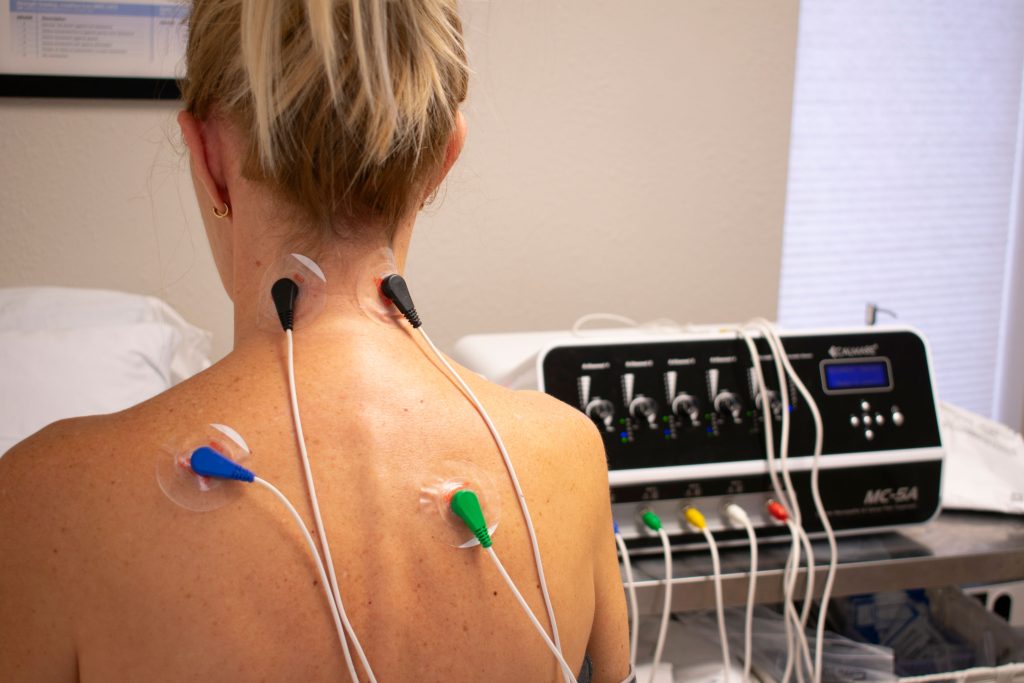
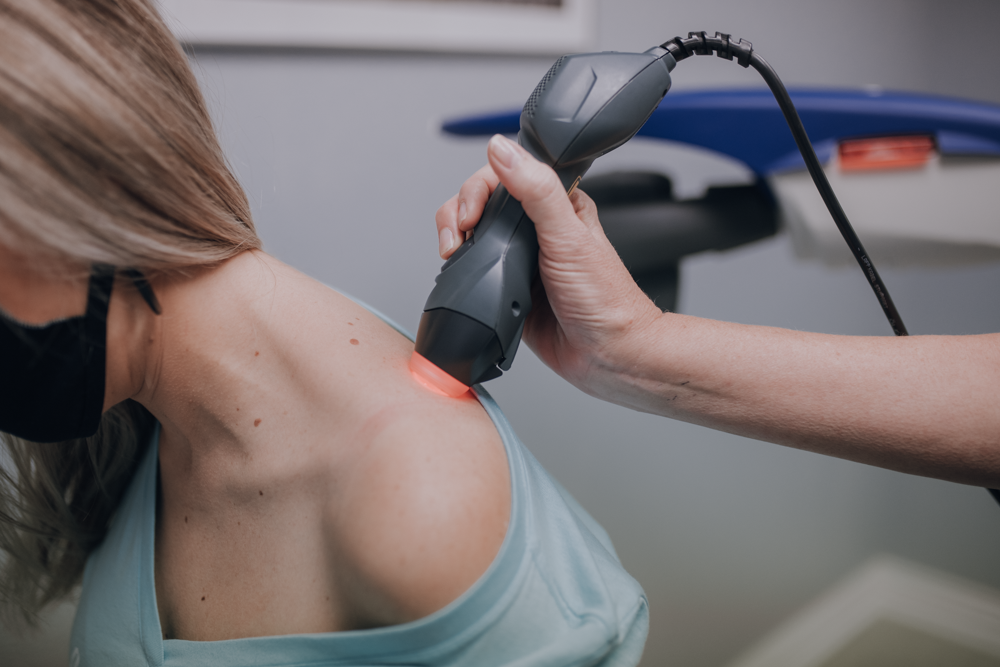
Your first Scrambler Therapy visit begins with a review of your symptoms, diagnosis, medications, prior treatments, pain location, pain quality, and how the condition is affecting your life. If treatment appears appropriate, Dovie will examine the pain pattern, determine electrode placement, and explain what to expect before treatment begins.
Some medications, implanted devices, infusions, and substances may affect whether Scrambler Therapy is appropriate or whether preparation is needed. Do not stop prescription medication on your own. Any medication change should be discussed with the clinician who prescribed it.
Wear loose, comfortable clothing that allows easy access to the painful area and surrounding skin. Electrodes must be placed directly on the skin, so shorts, short sleeves, or loose clothing may be helpful depending on the area being treated.
Light activity such as walking may be encouraged as tolerated.
A free initial phone consultation is available. We will talk through your history and whether treatment may be appropriate.
Expect a detailed review of your history, symptoms, prior treatments, medications, and pain pattern. Dovie will explain the treatment, determine electrode placement, and personally perform the session if treatment is appropriate.
Who should not receive Scrambler Therapy?
Scrambler Therapy does not require anesthesia or sedation, so many patients can drive afterward. Individual pain level, medications, balance, weakness, and medical condition may affect whether driving is safe.
Some patients continue working, while others take time away. Patients traveling for treatment often find it easier to focus on treatment during the series.
Call 817-714-7710 or request a free phone consultation to discuss whether this treatment may be appropriate for you or your family member.